
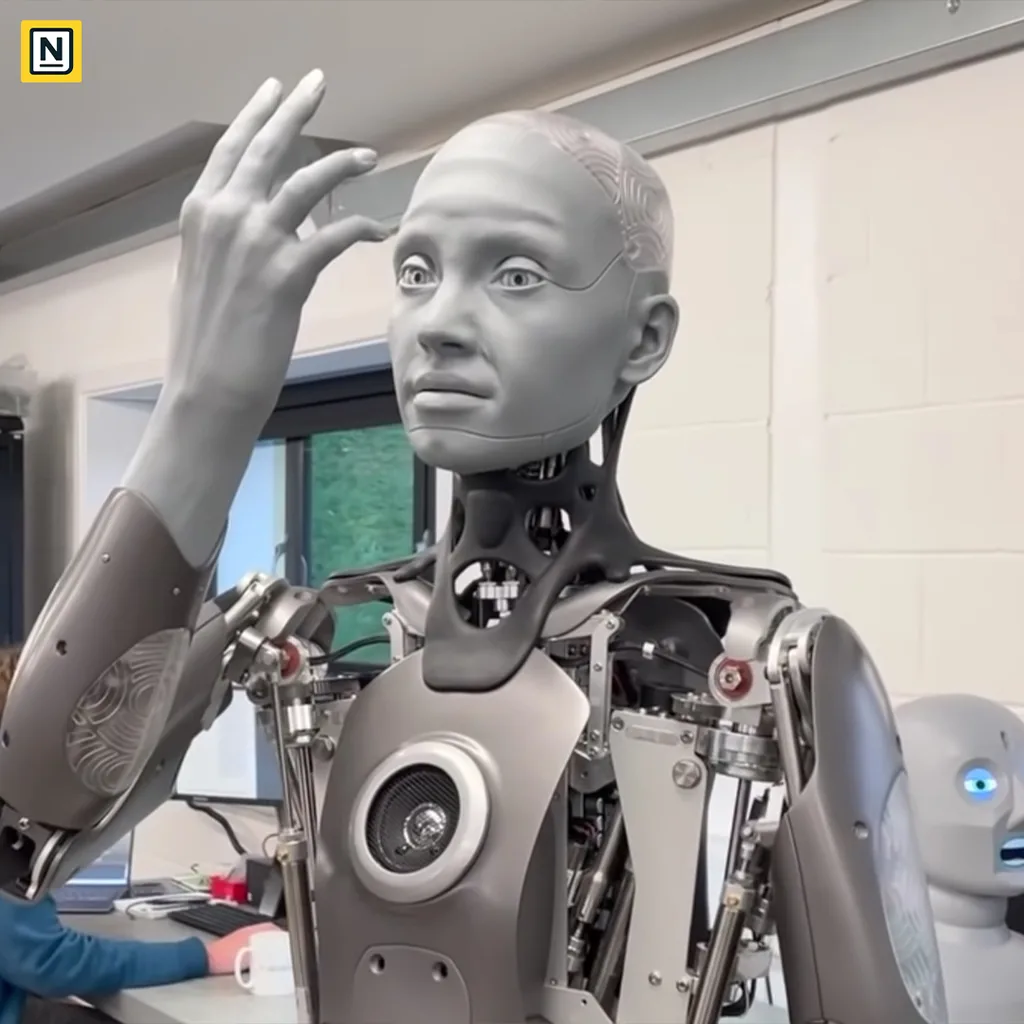
Humanoid robots represent the human form and work alongside with humans. Humanoid machines are now shifting their focus from demos to work applications. The increasing growth of humanoid robot technology has brought new opportunities in various sectors. It might not take over all jobs, but it can automate many tasks to make things easy. This includes repetitive and other activities.
How Humanoid Robots Work
Humanoid robots can learn and adapt faster using an AI model. These robots are provided with software and sensors. The AI model helps them to move, act, and behave like humans. Robots can learn various movements and responses according to their environment. These enable them to fit in the real-world situation, which might be ignored.
Humanoid Robots in Real-World Workplaces
The humanoid machines no longer remain closed to demo rooms. These robots can already work in places designed for humans. These workplaces include factories, offices, stores, and other locations with various equipment. Unlike other industrial robots that normally do only one task in one position, humanoid robots can do more than one job. For businesses, this type of flexibility could make automation more practical and useful.
AI-Powered Humanoid Robots Have Evolved Recently
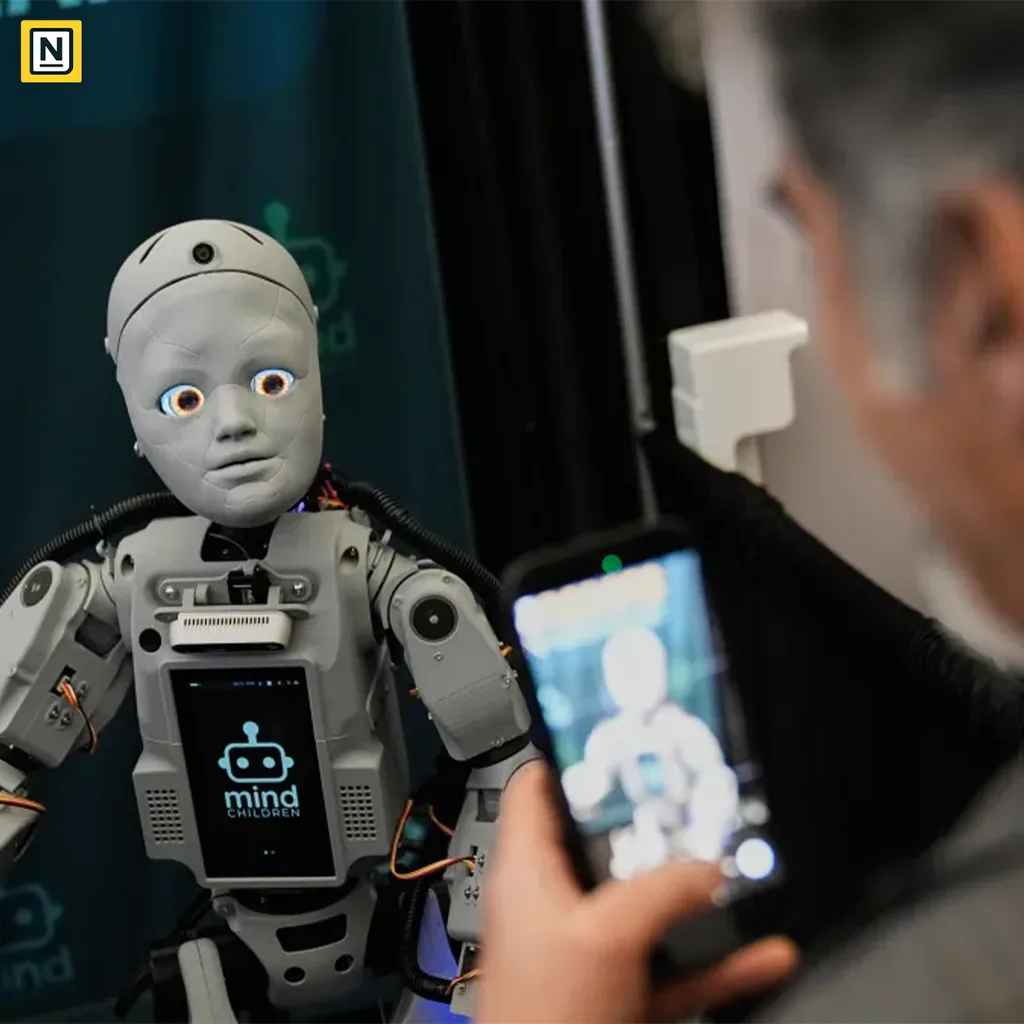
The technologies that have been used for the development of robots that mimic humans include sensors, batteries, cameras, AI, and software. Such technologies enable robots to feel their surroundings and perform physical activities. AI development also improved the robots’ responsiveness to changing situations. The new system gathers information from its surroundings and makes its decisions accordingly.
Global Supply Chains in China
Another intriguing theme is the importance of global supply chains. Humanoid robots are not AI products. They are physical machines equipped with motors, sensors, batteries, and computer systems. Chinese robotics companies are advancing rapidly due to their well-developed manufacturing base, rapid hardware development, and a rising domestic market for automation.
AI-Powered Humanoid Robots Are Changing the Automation Process
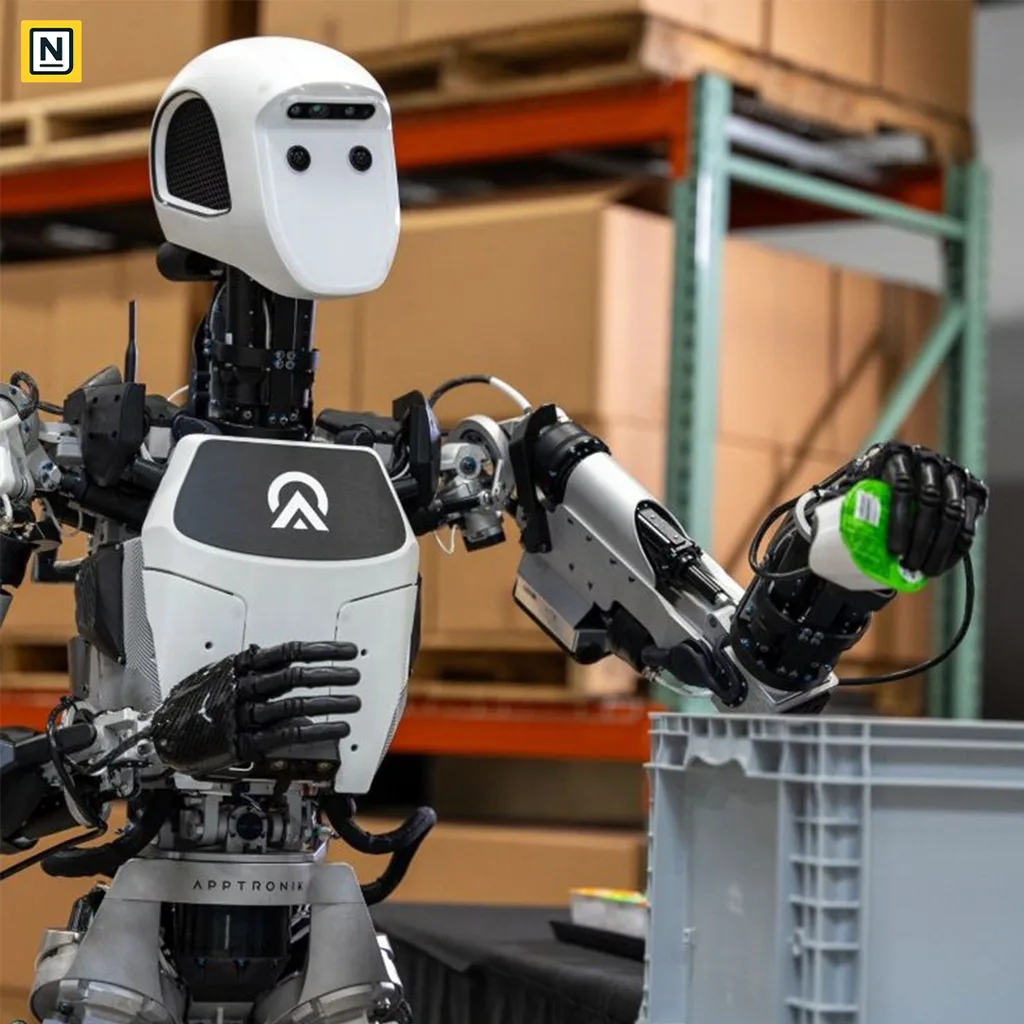
The creation of robots with AI can facilitate automation in the workplace. The use of AI helps robots in comprehending commands, object recognition, and interaction within the environment. An individual might tell the robot to move an object from one point to another. The robot may be able to detect the object and perform the task. However, this does not state that robots can perform every human task. Their abilities remain confined to various factors. But AI and robotics are slowly expanding the scope of robots’ work.
Real-World Applications of Humanoid Robots in 2026
• Factories are ideal for humanoid robots. They have the potential to perform repetitive tasks.
• Warehousing involves many physical repetitive tasks. Humanoid robots might help with packaging and other tasks.
• In retail spaces, humanoid machines can be used to stock shelves, move goods around, and do simple tasks.
• Hospitals and hotels can use humanoid robots for various service and support tasks.
• Robots can perform various tasks in healthcare. This helps the workers to focus on other activities.
Benefits of Humanoid Robots in the Workplace
• Robots can do repetitive mechanical jobs, thus letting staff focus on other tasks.
• Robots can work for long periods and can also perform various routine tasks.
• Humanoid robots could perform dangerous tasks, thereby reducing employees’ exposure to danger.
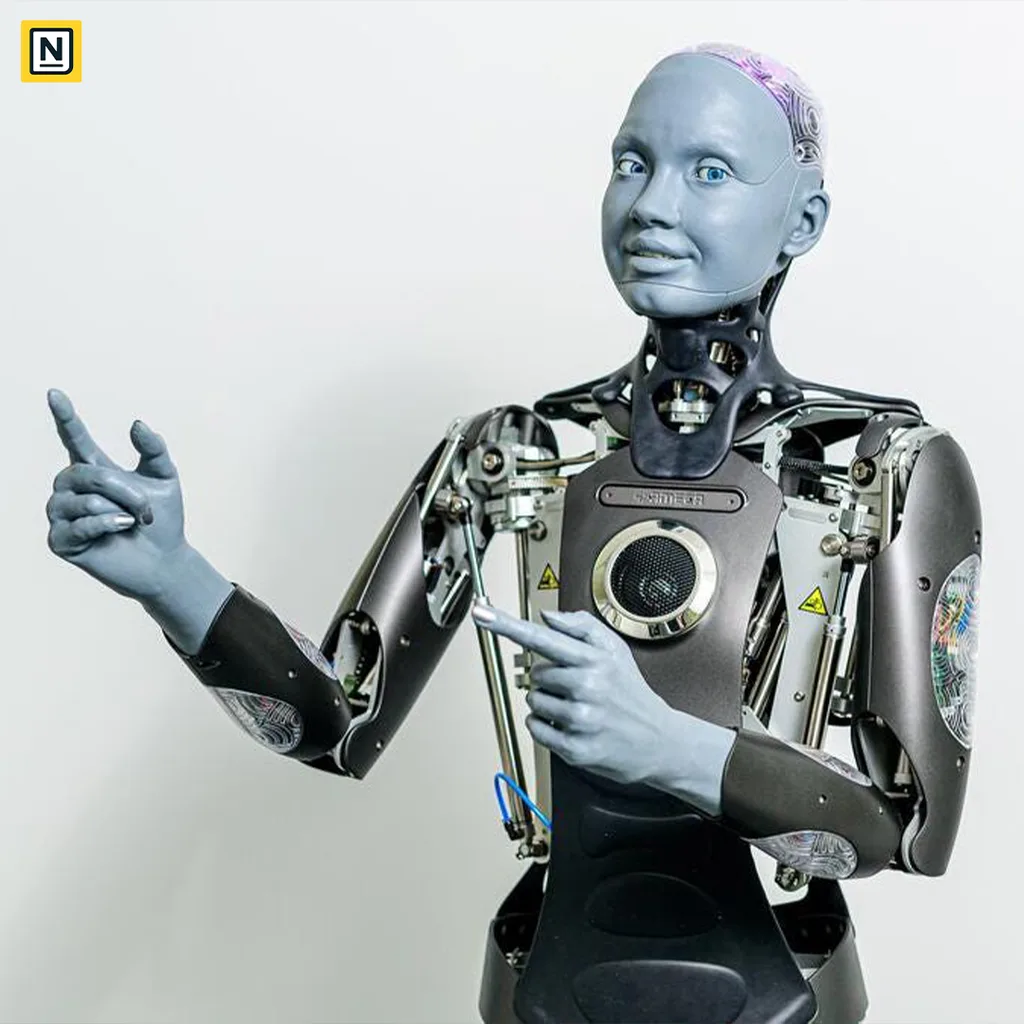
• Humanoid machines look like humans. This helps them work in spaces and use tools designed for people.
• Instead of laying off all its employees, a company can use robots to help humans with physical tasks.
• Depending on how often they need to be charged and maintained, robots could work for long periods.
Challenges that Humanoids Robots Face
Robots that use artificial intelligence have become very relevant in our lives. However, they have some challenges and difficulties. The main challenge is the high cost of implementing such technology. Expensive implementation makes it hard for small firms to adopt technology. Another problem for robots carrying out tough jobs is the battery life of the robots. The robot needs to be able to comprehend people and its environment. A humanoid robot needs to be lightweight yet powerful. It should have advanced sensors and features to function effectively.
Future Impact of Humanoid Robots on Jobs
Humanoids may be successful in business. Technology keeps improving every day, so robots can take on various roles. Businesses will use robots when robots will add real value to a process, not for the sake of technology. The change will likely occur gradually. Programming robots starts with simple, repetitive tasks. Then, you can teach them to handle more complex tasks.
Conclusion
Humanoid robotic systems are shifting from lab demos to workplace applications. The technology of humanoid robots and AI is providing us with new opportunities. We can study the role of humanoid robots in different industries, like manufacturing, logistics, and retail, and in healthcare institutions such as hospitals. The advent of humanoid robots in workplaces is not going to replace people. It could create a new workplace where people and robots perform different tasks. They are beginning to enter real-world workplaces, thus reshaping businesses’ operations.