
Importance of adopting the future for the Fashion Houses
Fashion Houses these days are working tirelessly in order to evolve and transform their assets into a future-friendly model. Engulfing the future is considered to be critical for all fashion houses since the industry is hyper-volatile and super-sensitive. They often come across higher environmental waste along with complex globalised systems. Any Fashion House failing to adopt further digitisation, or rather automation they could lose their market relevance. Fashion Houses could easily eliminate overproduction along with financial waste. Blending their operations with AI forecasting, these future-ready brands can utilise predictive AI for aligning manufacturing with real-time consumer demand. Adopting the future will also enable bio-fabricated and recycled infrastructure.
Smart premium fashion brands often use automated factories for manufacturing products close to their primary markets. Using a digital design tool also cuts the manufacturing time to just a few hours. Agile logistics is another major part of the future, which allows real-time tracking of data and allows dynamic rerouting. This also allows luxury fashion brands to permanently avoid any existing port blockages. Consumers related to fashion houses expect localised inventory, unified pricing and quick checkouts. Future adaptation would allow premium fashion brands to meet the customer demands through several e-commerce websites. Augmented try-ons, along with virtual fitting rooms, provide a drastically lower digital rate of return. Apart from that, AI-driven curation also makes the shoppers feel understood, ultimately boosting the long-term loyalty of the customers. Premium fashion brands are now embedding QR codes and NFC chips into their products, acting as an un-fakeable birth certificate. Through linking the real-world clothing with the attached QR codes, buyers could verify the absolute authenticity of the product. Apart from that, having a traceable record as well unlocks persistent royalties for the premium fashion brands.
LVMH the designer Fashion House
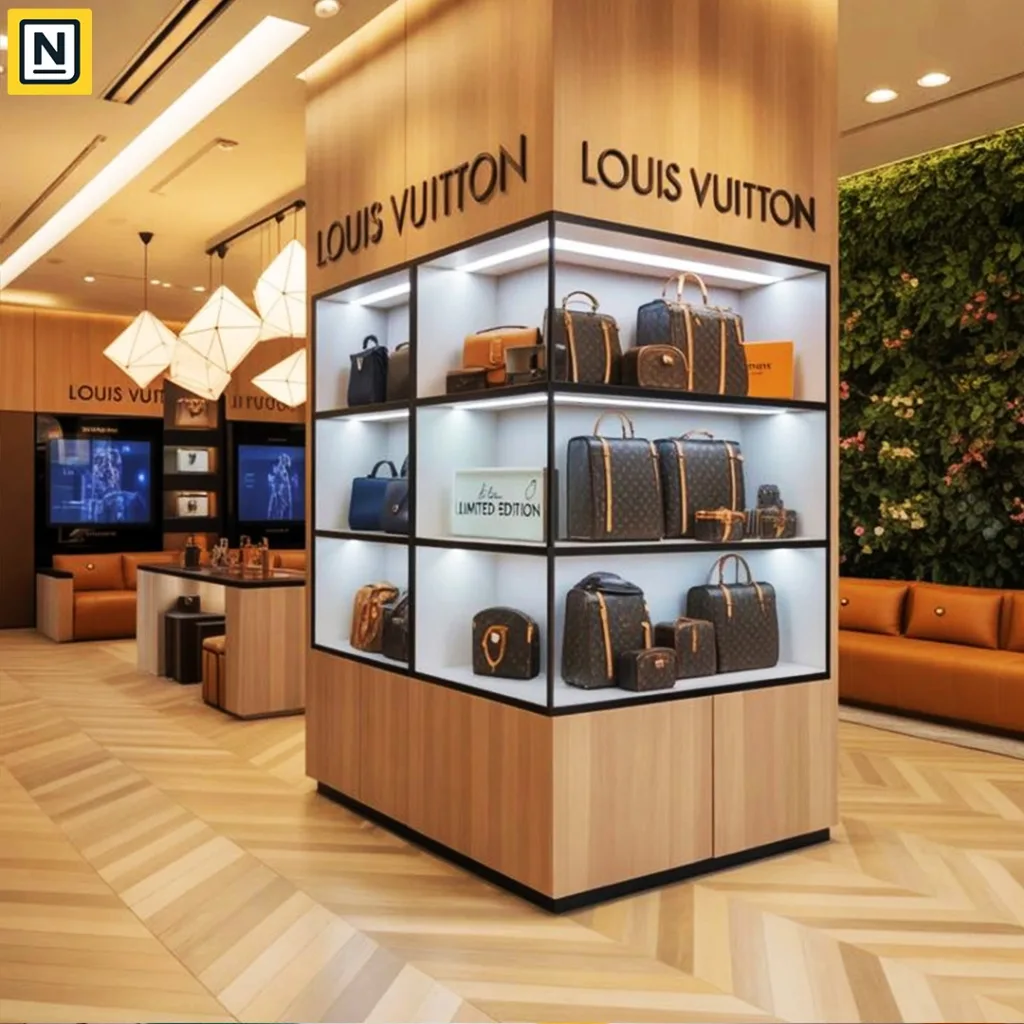
AI in fashion has been brought to light with the help of LVMH, along with other fashion houses. The brand is also recognised for its endless resilience and for presenting itself at the top of the industry. The brand as well utilises its heavy capital in order to act similarly to an early adopter of futuristic technology. AI, along with advanced analytics, has been introduced, giving the future the utmost priority. The conglomerate simply integrates advanced machine learning along with generative AI. This benefits LVMH to forecast their demand optimisation of digital communication as well as inventory management. The brand has well-equipped itself with certain high-tech inventory-related access tools. Ultimately, this would bridge the critical gap between luxury store shopping and digitised e-commerce behaviour. Louis Vuitton has launched a planned NFT collection along with blockchain-backed digital twins for young and immersive demographics. At certain major stores, their AI platforms help in analysing worldwide buyer habits for offering strategic, targeted and personalised product recommendations. The data also benefits boutique associates, bridging the gap between real-world VIP visits and digitised e-commerce behaviour. This makes LVMH the gigantic leader in the future world.
Zara is a luxury fashion brand
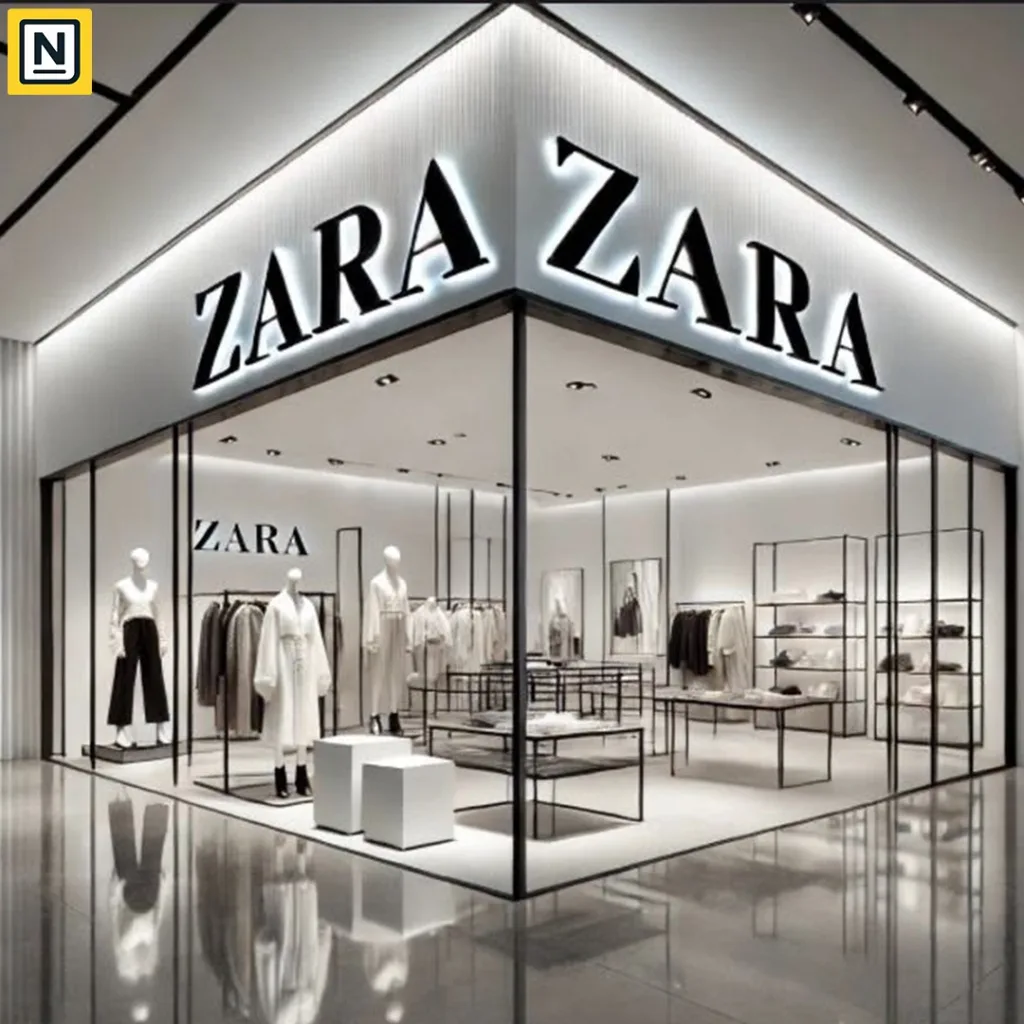
Zara is well known for thriving on extreme global agility along with fast-cycle innovation. Their fashion industry trends in 2026 are acting as the key that could change Zara’s future and their innovation. Zara has weaponised technology for making a complete modernisation of their mass retail. Through leveraging live data from hundreds of retail stores along with online platforms, the company tracks micro trends in real-time. Their parent company, Inditex, has also invested heavily, especially in a smart distribution system and automated warehousing. The company is now designing, distributing and manufacturing a runway-inspired piece worldwide within two weeks. By further utilising regional AI demand analytics, they are dynamically shifting their inventory to match shifted local cultures. The in-house AI platforms in ZARA analyse three million consumer images each day, spanning from social media to e-commerce logs. This strategically detects all micro-trends three to four weeks quicker than any other traditional method.
Hermes is the most premium fashion brand
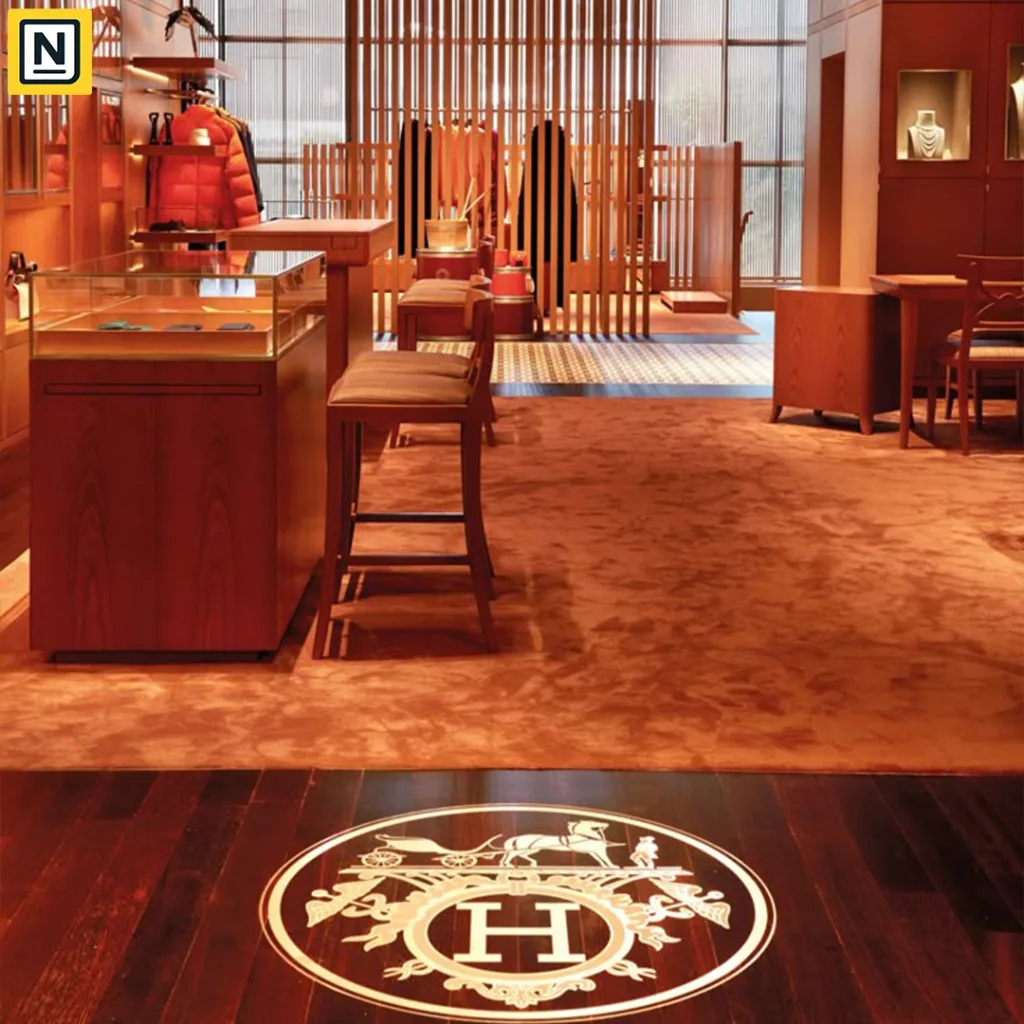
Fashion house collection associated with Hermes is strictly future-friendly since they mostly incline themselves towards operational control and sustainability. The brand is widely popular for being the most luxurious Fashion House. The brand directly owns as well as digitises its complete manufacturing pipeline. Although other designer fashion houses often struggle with major overstock, Hermes uses data precision to keep its supply below demand. The brand, on the other hand, for meeting the modernised sustainability standard, blended future-facing biotechnology. This again involves partnerships, or rather, bio-fabricated leather alternatives. Another strategic method which they have executed is that they manufacture 55% of the catalogue inside their workshops. They utilise certain localised digital networks for shifting artisanal capacities among their workshops to bypass supply chain bottlenecks.
Conclusion
The future associated with Fashion Houses could be considered as a choice between economic obsolescence and digital adaptation. While Hermes, LVMH and Zara often utilise strategic operational philosophies. They often prove that most modern success requires blending data analytics with the identity of the brands. LVMH leverages generative AI, Hermes ‘ digitised vertical network, and Zara executes an automated supply chain. Ultimately, adapting to the future would allow these huge brands to surpass volatile shocks and meet critical sustainability mandates.