
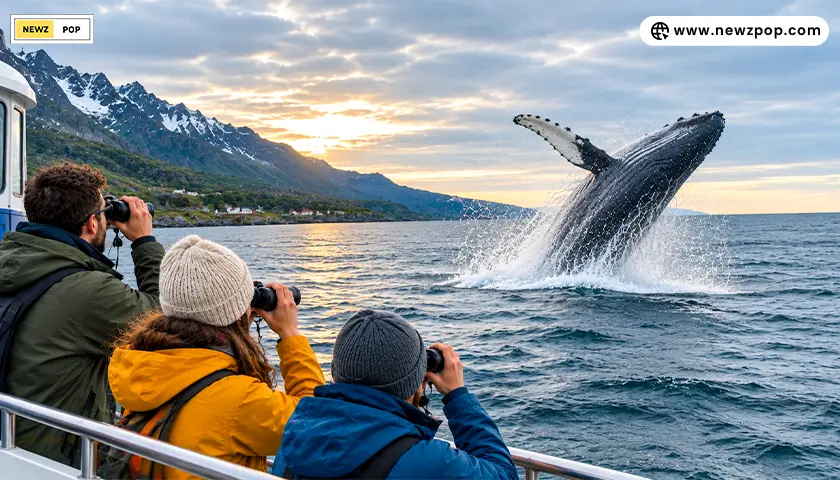
The Whale Watching Season in Europe is an exciting adventure for nature lovers. The European waters burst into life with whales, dolphins, and other marine mammals. From the Atlantic coast to the northern seas, there are a variety of destinations for ultimate wildlife experiences.
Whale watching is not only a cruise but also an opportunity for you to experience the ocean’s inhabitants in their element. If you get to the right location at the right time, the whales will be breaching and rising out of the water near your boat.
When is the whale watching season in Europe?
In some European locations you can watch the whale show at any time of the year. In other areas certain months attract more whales than the rest. The whale-watching season in many Atlantic destinations is from spring through fall. In the summer you can witness comfortable conditions due to the longer day and calm waters. Experiences in northern European locations may also vary. The waters in and around Iceland and Norway are full of whales in season. The whale species and number that you might see in a certain year depend on the location, weather, prey presence, migration, etc.
Best places in Europe for a whale show
Húsavík, Iceland
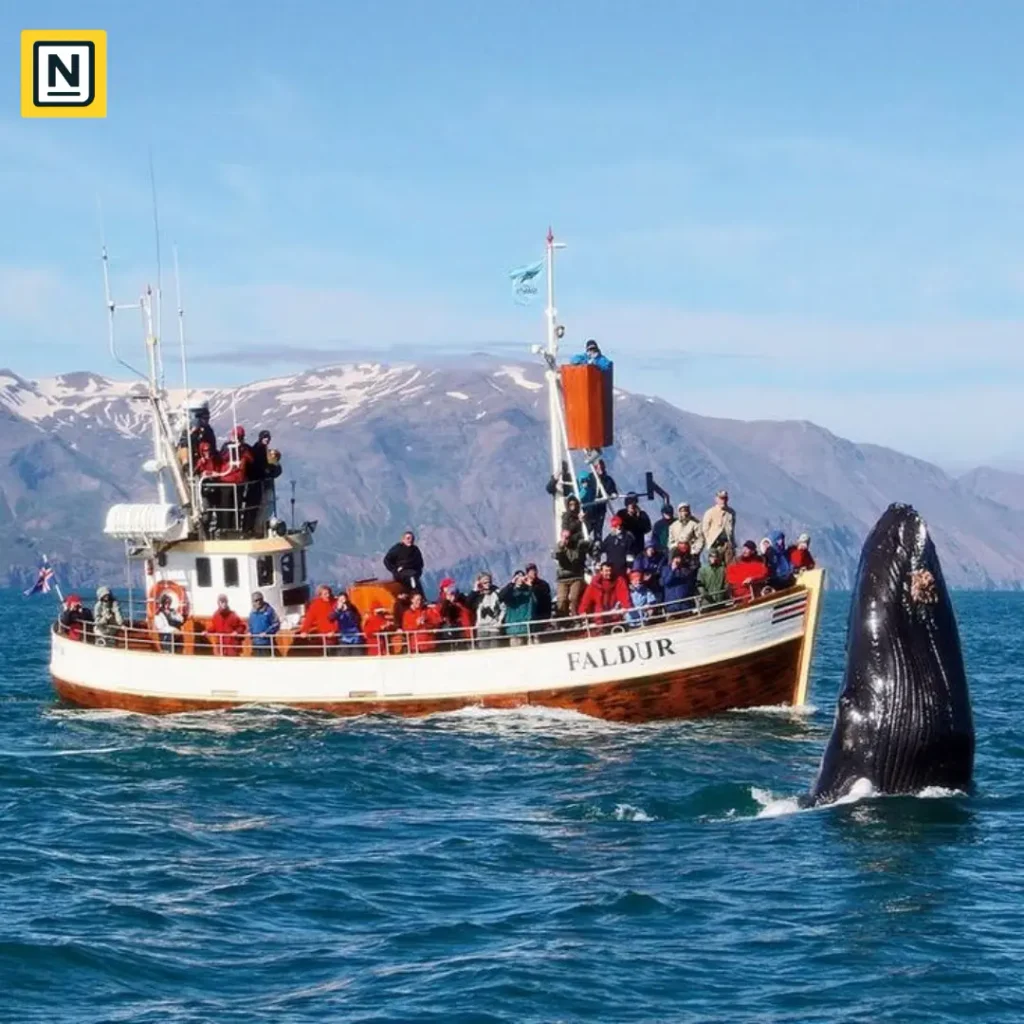
Visiting the north coast of Iceland in early summer brings you luck. There is the highest chance of spotting blue whales. You can see one or more of these from June to September. The best departure point is Hsavk, where weatherboard houses cramp the harbor. Right outside your window there is some of the greatest scenery in Europe. This allows you to mix boat trips with Caldera hikes and exploratory drives to the strongest waterfalls. Here, you’ll come across outside of the south’s tourist routes.
Pico Island, the Azores
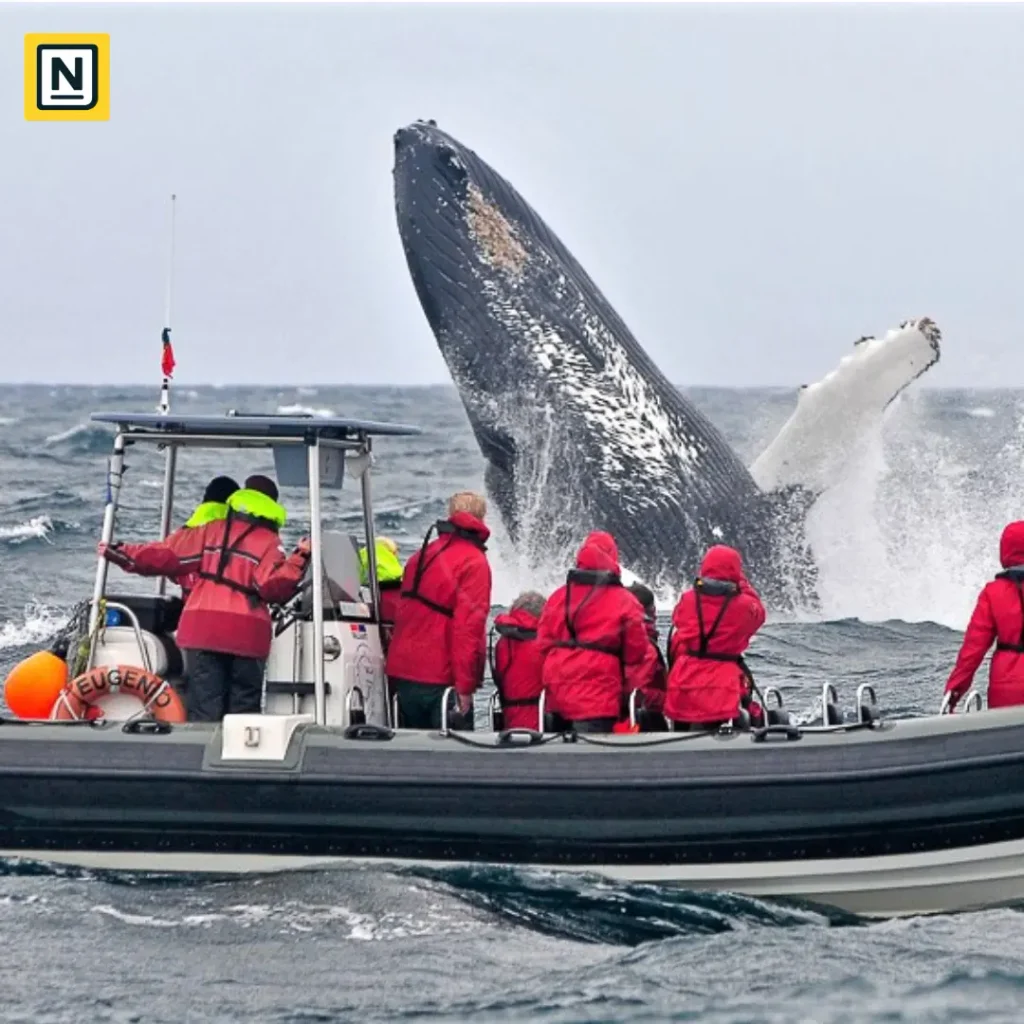
Pico Island in the Azores is a remarkable place for watching whales. Deep waters of the Atlantic Ocean near the island host many types of whales and dolphins. A boat journey from the island to the vast ocean will enable you to view sperm whales, pilot whales, and several types of dolphins. The island has very beautiful beaches and a serene environment.
La Palma, Canary Islands
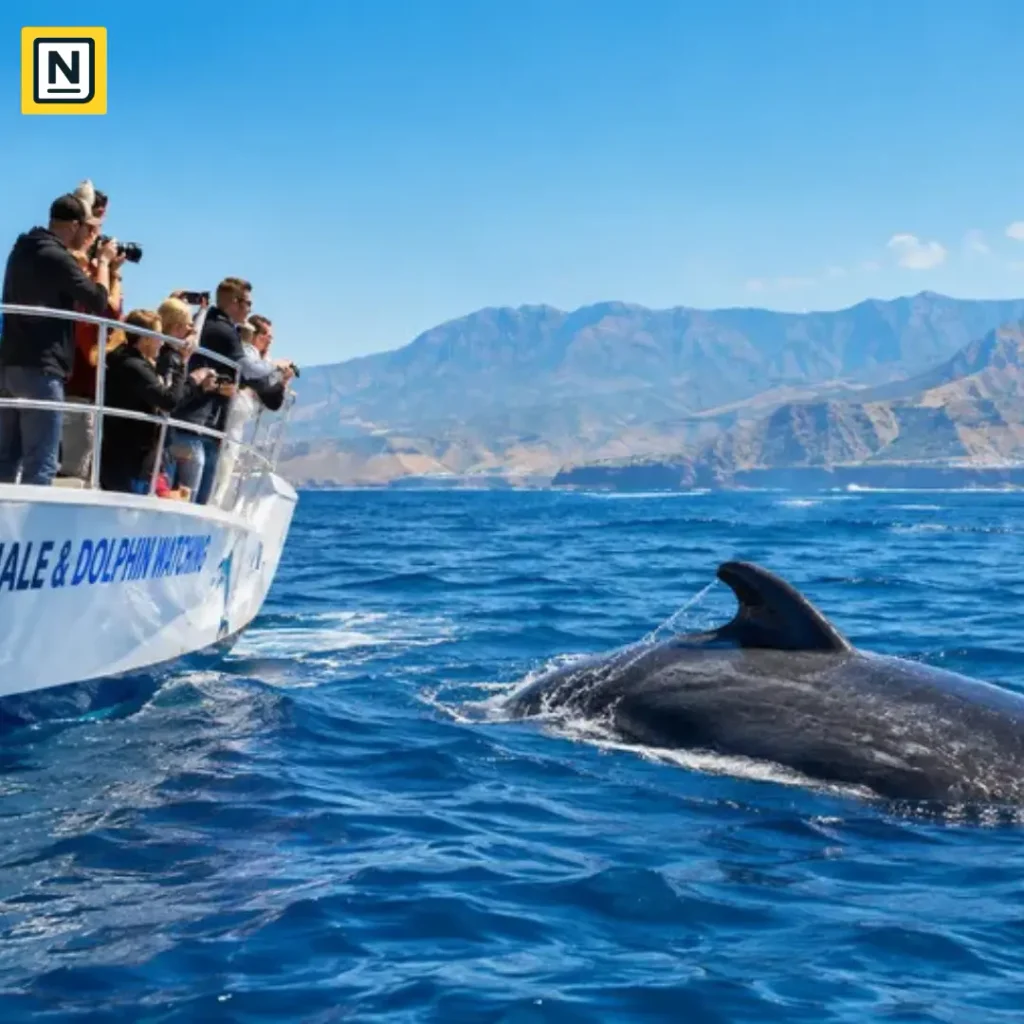
La Palma is a very beautiful island that offers a serene whale watching journey. There are many varieties of sea creatures residing in the water of La Palma. Visitors can take a boat trip along the shores of La Palma and encounter various species of whales and dolphins. The Atlantic Ocean near La Palma creates an amazing sight while going whale watching. The volcanic nature of La Palma and the clear sky offer visitors a great experience.
Ligurian Sea, Italy
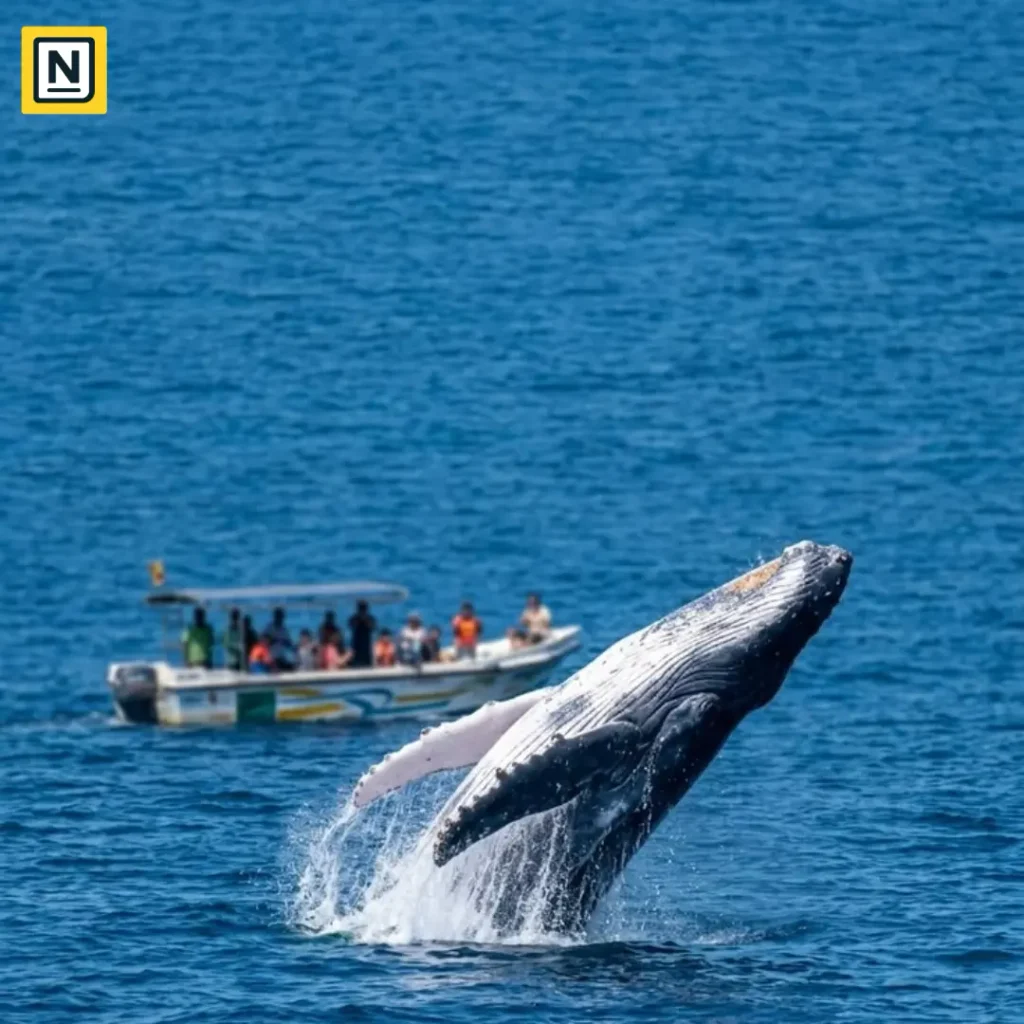
Whale watching off the northwestern Italian coast will be possible in the Ligurian Sea. The waters of the Ligurian Sea are located in the Pelagos Sanctuary for Mediterranean marine mammals. As a result, you will have the opportunity to go on boat tours from the coastal cities and observe the open waters. Fin whales, sperm whales, etc., can be seen in the area. The peaceful views of the Mediterranean make the trip even more enjoyable.
Some of the whale species include
The species varies based on seasons: The common species are:
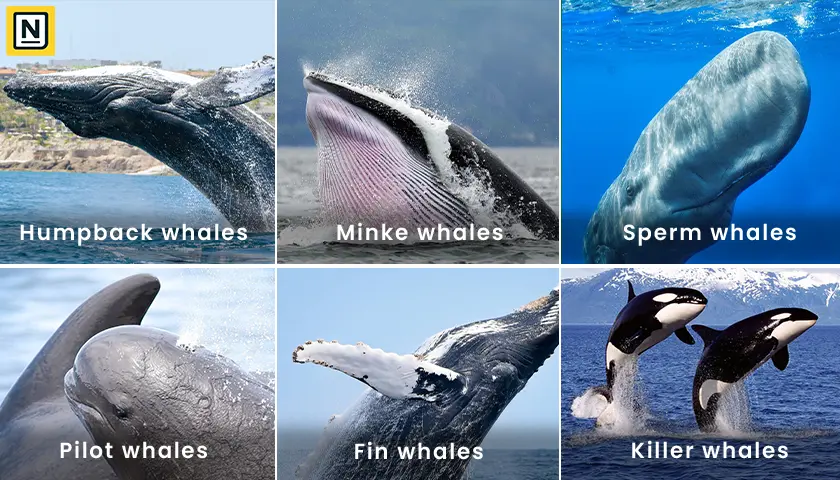
- Humpback whales
- Minke whales
- Sperm whales
- Pilot whales
- Fin whales
- Killer whales
Certain species are seasonal migrants. Some others may inhabit or move through certain bodies of water. A responsible tour operator can assist tourists to gain knowledge about the species that they meet. The guides may also tell tourists about whales’ behavior and migrations.
Expectations of a Whale Watching Expedition
Usually, whale watching commences from a harbor on the coast. After a safety talk, the boat will move towards places where marine life is normally sighted. It is usually an event that takes hours to complete. Since the sea weather changes fast, you need to be ready. The sighting of a whale is a matter of few seconds. Also, it might take just a blow, a fin, or the tail before it darts back into the water. Other times, the whale might stay longer. In other cases, the sightings might be short-lived. This is the reason patience is needed for whale watching season in Europe.
Conclusion
The whale-watching season in Europe can be a wonderful opportunity for you to enjoy and experience some of the most fascinating animals. These are located on Iceland, Norway, Spain, Portugal, and the Canary Islands. These offer something unique and special to the tourists.
Each place has a special climate and environment. This also states the importance of preserving marine ecology. Take into account your season for the trip. Select a reliable tour operator. Have realistic expectations about sighting. There is nothing more beautiful than seeing a whale coming out of the water. Experience this beautiful scene along with a boat tour.